
Introduction
Fashion changes with the weather, and learning how to dress for each season can make daily styling easier and more enjoyable. Seasonal outfit ideas help people stay comfortable while looking polished throughout the year. Whether someone prefers casual clothing, elegant pieces, or trendy combinations, dressing according to the season creates a balanced and practical wardrobe.
Many beginners struggle to choose outfits that match changing temperatures. However, building seasonal looks does not require expensive clothing or advanced fashion knowledge. With the right planning, anyone can mix colors, fabrics, and layers to create outfits that feel modern and comfortable. Seasonal fashion also allows people to express personality through textures, accessories, and different clothing combinations.
From lightweight spring dresses to cozy winter coats, every season offers unique styling opportunities. Understanding which fabrics work best during hot or cold weather can improve comfort and confidence. In addition, knowing how to layer clothing properly helps create outfits that are both functional and stylish.
What Is Seasonal Outfit Ideas?
Seasonal outfit ideas refer to clothing combinations designed specifically for different weather conditions and seasonal trends. These outfits are created by considering temperature, comfort, fabric choice, color palettes, and practicality. Seasonal dressing helps individuals adapt their wardrobe according to spring, summer, autumn, and winter conditions.
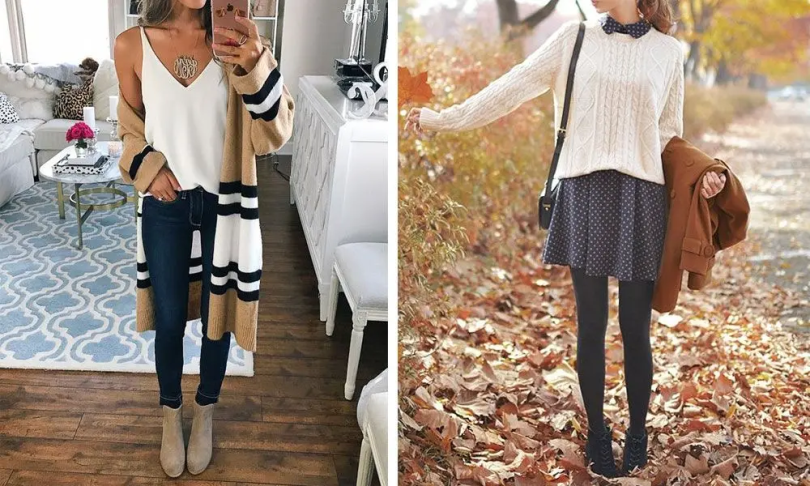
For example, spring outfits often include light jackets, pastel colors, and breathable fabrics. Summer fashion focuses on airy materials, shorts, sandals, and sleeveless tops to stay cool during high temperatures. Fall outfits usually feature layered clothing, boots, and earthy shades, while winter styling emphasizes warmth through coats, sweaters, scarves, and thermal fabrics.
Seasonal outfit ideas are not limited to fashion trends. They also include practical decisions that improve comfort and versatility. People can create outfits for work, casual outings, travel, formal events, or daily activities by selecting season-appropriate pieces. A well-planned seasonal wardrobe reduces unnecessary shopping and helps maximize existing clothing items.
Why Is Seasonal Outfit Ideas Important?
Seasonal outfit ideas are important because they improve comfort, confidence, and overall appearance. Wearing weather-appropriate clothing protects the body from extreme temperatures while helping people feel relaxed throughout the day. Proper seasonal dressing also supports personal style without sacrificing practicality.
Another major advantage is wardrobe organization. When individuals understand seasonal styling, they can plan outfits in advance and avoid wasting time every morning. This approach also encourages smarter shopping habits because people buy versatile clothing instead of unnecessary trendy items.
Seasonal outfit ideas can also improve self-confidence. Wearing outfits that match the environment often creates a polished and balanced appearance. Whether attending work meetings, social events, or family gatherings, suitable clothing helps individuals feel prepared and comfortable.
Additionally, seasonal fashion supports creativity. Different seasons allow experimentation with colors, fabrics, accessories, and layering techniques. This variety keeps fashion exciting while helping individuals develop a stronger sense of personal style.
Detailed Step-by-Step Guide
Understand Seasonal Fabrics
Choosing the correct fabric is one of the most important parts of seasonal styling. Lightweight fabrics such as cotton and linen work best during spring and summer because they allow airflow and reduce heat. During colder months, wool, fleece, and knit materials provide warmth and insulation.
Breathable fabrics improve comfort in hot weather, while thicker materials help maintain body heat during winter. Understanding fabric choices prevents discomfort and improves the overall appearance of outfits.
Build a Basic Seasonal Wardrobe
A strong wardrobe foundation makes outfit planning easier. Start with neutral basics that can be mixed and matched throughout the year. Essential items include plain shirts, denim jeans, comfortable shoes, jackets, and versatile accessories.
For spring, include light cardigans and floral prints. Summer wardrobes should contain breathable tops, shorts, and sandals. Fall collections benefit from jackets and boots, while winter wardrobes require coats, scarves, and sweaters.
Focus on Layering
Layering is a practical styling technique for changing temperatures. During fall and winter, layering creates warmth while adding depth to outfits. A simple example includes combining a shirt, sweater, and coat for both comfort and style.
Light layering also works during spring. Pairing a denim jacket with a dress or lightweight sweater creates flexibility when temperatures change throughout the day.
Choose Seasonal Colors
Every season has popular color palettes that influence fashion choices. Spring often includes pastel shades like pink, lavender, and mint green. Summer fashion usually features bright colors such as white, yellow, and sky blue.
Autumn styling commonly includes earthy tones like brown, orange, olive, and burgundy. Winter outfits often rely on darker shades including black, navy, gray, and deep green. Choosing seasonal colors helps create visually balanced outfits.
Select Comfortable Footwear
Shoes are essential for completing seasonal outfits. Sandals, sneakers, and canvas shoes work well during warm months because they provide comfort and ventilation. During colder seasons, boots and waterproof footwear offer protection against rain and cold temperatures.
Comfort should always be prioritized over appearance alone. Wearing unsuitable footwear can affect posture, walking comfort, and overall confidence.
Add Accessories Carefully
Accessories enhance outfits without requiring major wardrobe changes. Sunglasses, hats, and lightweight jewelry complement summer styles, while scarves, gloves, and beanies improve winter looks.
Avoid overusing accessories because too many elements can overwhelm an outfit. Instead, focus on one or two pieces that complement clothing colors and textures.
Plan Outfits Ahead of Time
Preparing outfits in advance saves time and reduces stress. Many people benefit from organizing weekly clothing combinations according to weather forecasts and planned activities.
This habit also prevents impulsive fashion decisions and helps individuals recognize gaps in their wardrobe. Planning ahead creates a more polished and organized appearance.
Mix Trends With Basics
Fashion trends change frequently, but timeless basics remain useful throughout the year. Combining trendy items with classic clothing creates balanced outfits that stay stylish longer.
For example, pairing a trendy jacket with simple jeans and neutral shoes creates a fashionable look without appearing excessive. This strategy also reduces unnecessary spending on short-term trends.
Benefits of Seasonal Outfit Ideas

- Improves comfort during changing weather conditions
- Helps create a polished and organized appearance
- Encourages smarter wardrobe planning
- Reduces unnecessary clothing purchases
- Supports creativity and personal style development
- Makes dressing easier and faster each day
- Allows better use of existing wardrobe pieces
- Increases confidence during social and professional events
- Helps individuals adapt to seasonal trends naturally
- Creates practical outfit combinations for different occasions
Disadvantages and Risks
- Seasonal shopping can become expensive without planning
- Following trends too closely may lead to unnecessary spending
- Poor fabric choices can cause discomfort
- Overlayering may create bulky or uncomfortable outfits
- Limited wardrobe planning can reduce outfit variety
- Ignoring weather conditions may affect health and comfort
- Fast fashion purchases sometimes reduce clothing quality
- Seasonal storage requires additional organization space
Common Mistakes to Avoid
One common mistake is ignoring comfort while focusing only on appearance. Stylish outfits should still feel comfortable throughout the day. Wearing tight fabrics during summer or thin clothing during winter can create discomfort and reduce confidence.
Another mistake involves buying too many trendy items. Trends change quickly, and excessive shopping may result in wasted money. Instead, invest in timeless basics that work across multiple seasons.
Many people also neglect layering techniques. Wearing heavy clothing without proper balance can make outfits appear bulky. Smart layering combines warmth and style without creating unnecessary volume.
Ignoring proper fit is another major issue. Even expensive clothing may look unappealing if the fit is incorrect. Tailored and well-fitted outfits usually appear more polished and flattering.
FAQs
What are the best fabrics for seasonal outfit ideas?
Cotton, linen, and rayon work best during warm seasons because they are breathable and lightweight. Wool, fleece, and knit fabrics are ideal for colder weather because they provide insulation and warmth.
How can beginners create seasonal outfits easily?
Beginners should start with neutral basics and add seasonal layers or accessories gradually. Simple combinations using versatile clothing pieces are easier to manage and style.
Are seasonal outfit ideas expensive?
Seasonal fashion does not need to be expensive. Careful planning, investing in timeless pieces, and reusing clothing creatively can help maintain a stylish wardrobe on a reasonable budget.
How often should seasonal wardrobes be updated?
Wardrobes should be reviewed at the beginning of every season. This process helps remove unused items, identify missing essentials, and organize clothing efficiently.
Can seasonal outfit ideas work for professional settings?
Yes, seasonal styling works well in professional environments. Lightweight blazers suit spring and summer, while coats and layered outfits are ideal for colder months.
Why are accessories important in seasonal fashion?
Accessories complete outfits and add personality. They also improve practicality by providing sun protection during summer or warmth during winter.
What colors work best for every season?
Pastels suit spring, bright shades work well in summer, earthy tones match autumn, and darker shades complement winter fashion.
Expert Tips and Bonus Points
Invest in quality basics before purchasing trendy items. Neutral shirts, jeans, jackets, and shoes remain useful throughout multiple seasons and can be styled in various ways.
Pay attention to clothing care instructions. Proper washing and storage help garments maintain their appearance and durability. Seasonal organization also prevents damage to fabrics during off-season storage.
Experiment with textures to create visually interesting outfits. Combining denim, wool, cotton, and leather elements can add depth and personality to seasonal styles.
Keep comfort as the main priority. Confidence often comes from feeling relaxed and comfortable in clothing rather than simply following fashion trends.
Consider body shape and lifestyle when selecting outfits. Clothing should support daily activities while enhancing personal style. A practical wardrobe always performs better than one based entirely on trends.
Try creating capsule wardrobes for each season. This method involves using a limited number of versatile pieces that work together easily. Capsule wardrobes reduce clutter and simplify daily outfit decisions.
Finally, monitor weather forecasts before planning outfits. Sudden weather changes can affect comfort, so preparing flexible clothing combinations helps avoid inconvenience.
Conclusion
Seasonal outfit ideas make fashion more practical, comfortable, and enjoyable throughout the year. By understanding fabrics, layering methods, color palettes, and wardrobe essentials, individuals can create stylish looks that match changing weather conditions. Seasonal dressing is not only about following trends but also about improving comfort and building confidence.
A well-planned wardrobe allows people to mix timeless basics with modern trends while reducing unnecessary spending. It also simplifies daily outfit planning and encourages smarter shopping decisions. Whether dressing for casual outings, work environments, or special events, seasonal styling helps individuals feel prepared and polished.
Most importantly, seasonal outfit ideas encourage creativity and self-expression. Every season provides opportunities to experiment with colors, textures, and accessories while maintaining practicality. By following the strategies explained in this guide, beginners and intermediate readers can build a versatile wardrobe that remains stylish, functional, and suitable for every season of the year.