
Introduction
Outfit styling is more than just picking clothes from your wardrobe. It is a way of expressing personality, confidence, and creativity through fashion. Whether you are a beginner trying to improve your daily look or someone with basic fashion knowledge aiming to refine your style, understanding outfit styling tips can completely change how you present yourself.
A well-styled outfit can boost confidence, create a strong first impression, and help you feel more comfortable in social, professional, and casual settings. Many people think fashion is expensive or complicated, but in reality, it is about knowing how to combine simple pieces in a smart way.
Outfit styling does not require a huge wardrobe. Instead, it focuses on using what you already have in a creative and balanced way. Colors, fit, fabric, and accessories all play an important role in creating a polished look. With the right approach, anyone can improve their style without spending too much money.
What is Outfit Styling?
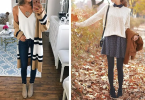
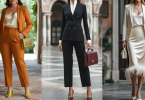
Outfit styling is the art of combining clothing items, shoes, and accessories in a way that creates a complete and visually appealing look. It involves selecting pieces that match in terms of color, fit, occasion, and personal taste.
It is not just about wearing trendy clothes but about creating harmony between different fashion elements. Outfit styling helps you look organized, confident, and well-dressed in any situation.
Styling can be simple or advanced depending on your understanding. Beginners usually start with basic combinations, while advanced styling includes experimenting with layers, textures, and color coordination.
Why is Outfit Styling Important?
Outfit styling plays a major role in personal appearance and confidence. The way you dress often influences how others perceive you and how you feel about yourself.
A well-styled outfit can improve first impressions in interviews, meetings, or social gatherings. It also helps you feel more confident and comfortable throughout the day.
Another important reason is self-expression. Fashion allows you to show your personality without speaking. Whether you prefer a casual, formal, or creative style, your outfit tells a story about who you are.
Good styling also helps you use your wardrobe efficiently. Instead of buying new clothes constantly, you can mix and match existing pieces in different ways to create fresh looks.
Detailed Step-by-Step Guide to Outfit Styling
Step 1: Understand Your Body Shape
Knowing your body shape is the foundation of outfit styling. It helps you choose clothes that enhance your natural features.
Common body shapes include:
- Rectangle
- Hourglass
- Triangle
- Oval
Each shape has different styling needs. For example, fitted clothes work well for hourglass shapes, while layered outfits suit rectangular shapes.
Step 2: Choose the Right Fit
Fit is more important than brand or price. Even expensive clothes look unattractive if they do not fit properly.
Always ensure:
- Shoulder seams align correctly
- Pants are not too long or short
- Shirts are not too tight or loose
A well-fitted outfit instantly improves your appearance.
Step 3: Learn Color Coordination
Color combination is a key part of outfit styling. Understanding basic color matching helps you create balanced looks.
Popular combinations include:
- Black and white for classic style
- Blue and beige for soft casual looks
- Earth tones for natural outfits
Avoid using too many bold colors at once.
Step 4: Focus on Basics First
Every wardrobe should have basic essential items. These include plain t-shirts, jeans, neutral shirts, and simple shoes.
Basics act as building blocks for multiple outfit combinations. Once you master basics, you can experiment with trends.
Step 5: Add Layers for Depth
Layering adds style and depth to your outfit. You can layer jackets over shirts, sweaters over t-shirts, or scarves for extra detail.
Layering works especially well in colder seasons and helps create a more fashionable appearance.
Step 6: Use Accessories Wisely
Accessories can completely change your outfit. Watches, belts, sunglasses, and bags are simple ways to enhance your look.
However, avoid over-accessorizing. One or two accessories are often enough for a clean and stylish appearance.
Step 7: Match Shoes Properly
Shoes are an important part of outfit styling. They should match the occasion and outfit type.
Examples:
- Sneakers for casual wear
- Formal shoes for office wear
- Loafers for semi-formal looks
Benefits of Outfit Styling

- Improves personal confidence and self-image
- Creates strong first impressions in social and professional settings
- Helps organize wardrobe efficiently
- Enhances personality expression through clothing
- Saves money by reusing existing outfits creatively
- Reduces stress when choosing daily outfits
- Improves overall fashion sense over time
Disadvantages / Risks of Outfit Styling
- Can become time-consuming for beginners
- Overthinking outfits may lead to confusion
- Following trends blindly may reduce originality
- Poor styling choices can negatively affect appearance
- Expensive fashion items may tempt unnecessary spending
- Over-accessorizing can make outfits look messy
Common Mistakes to Avoid in Outfit Styling
Many people make simple mistakes that affect their overall look. Avoiding these can instantly improve your style.
One common mistake is wearing clothes that do not fit properly. Oversized or too-tight clothing reduces confidence and appearance quality.
Another mistake is mixing too many patterns and colors at once. This creates a messy and unbalanced look.
Ignoring the occasion is also a major issue. Wearing casual clothes in formal settings or vice versa can look inappropriate.
Many beginners also ignore shoes, but footwear plays a key role in completing an outfit.
FAQs About Outfit Styling
1. How can beginners improve outfit styling?
Beginners can start by focusing on basic clothing items, learning color coordination, and choosing proper fit. Simple combinations are the best starting point.
2. Do I need expensive clothes for good styling?
No, good outfit styling depends more on combination and fit than price. Even budget-friendly clothes can look stylish if worn correctly.
3. How important are accessories in outfit styling?
Accessories enhance your look but should be used in moderation. One or two well-chosen accessories are enough to complete an outfit.
4. Can I create stylish outfits with a small wardrobe?
Yes, a small wardrobe can still offer many outfit combinations if you mix and match items smartly. Basics play an important role here.
5. What colors are easiest to style?
Neutral colors like black, white, grey, navy, and beige are the easiest to style and match with other colors.
6. How do I develop my personal style?
Personal style develops over time by experimenting with different outfits, observing what suits you best, and staying consistent with your preferences.
Expert Tips & Bonus Points for Better Styling
Always plan your outfit the night before to save time and reduce confusion in the morning.
Keep your wardrobe organized so you can easily find matching items.
Invest in timeless pieces rather than fast fashion trends.
Pay attention to grooming as it enhances overall outfit appearance.
Confidence is the most important part of styling. Even a simple outfit looks great when worn with confidence.
Try experimenting with new combinations regularly to improve creativity.
Conclusion
Outfit styling is a powerful skill that can improve your personality, confidence, and overall appearance. It is not about following expensive fashion trends but about understanding how to combine simple clothing items in a smart and balanced way. With proper knowledge of fit, color coordination, layering, and accessories, anyone can build a strong sense of style.
For beginners, the journey may seem overwhelming at first, but with practice, outfit styling becomes natural and enjoyable. The key is to start simple, avoid mistakes, and gradually experiment with different looks.
A well-styled outfit can positively impact your daily life, from social interactions to professional opportunities. It reflects your personality and helps you present yourself in the best possible way.