
Introduction
Women fashion style is more than wearing beautiful clothes. It is a way to express personality, confidence, lifestyle, and creativity through outfits and accessories. Fashion has changed over the years, but one thing has always remained important: every woman wants to feel comfortable and stylish in what she wears. From casual outfits to elegant evening dresses, fashion helps women present themselves with confidence in every situation.
Today, women fashion style includes many trends, colors, fabrics, and designs that suit different body types and personal preferences. Some women prefer a classic look with neutral tones and simple designs, while others enjoy bold patterns and modern streetwear. The best part about fashion is that there are no strict rules. Every woman can build a style that reflects her personality and daily lifestyle.
Fashion also plays an important role in first impressions. A well-styled outfit can improve confidence at work, social gatherings, family events, or casual outings. In addition, understanding fashion basics helps women shop smarter, create versatile wardrobes, and avoid unnecessary spending.
What is Women Fashion Style?
Women fashion style refers to the way women choose clothing, shoes, accessories, hairstyles, and makeup to create a personal appearance. It combines creativity, comfort, trends, and individuality. Fashion style can be influenced by culture, age, profession, lifestyle, weather, and personal taste.
There are many different fashion styles for women, including:
- Casual fashion
- Elegant fashion
- Street style
- Minimalist fashion
- Bohemian style
- Vintage fashion
- Business casual style
- Sporty fashion
- Chic fashion
- Formal fashion
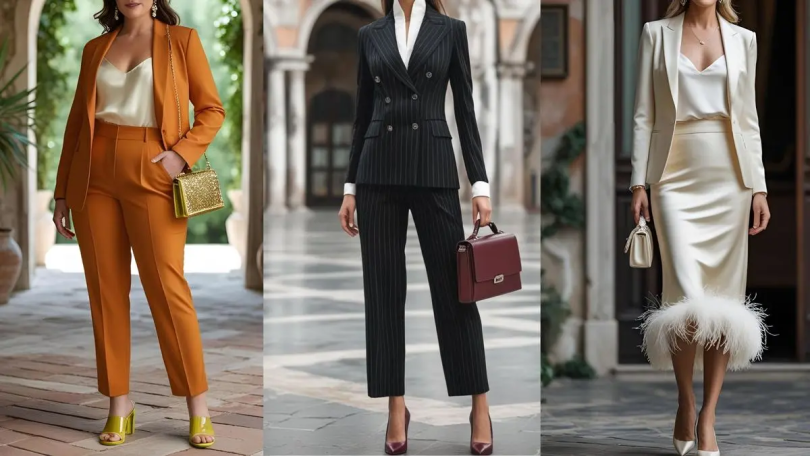
For example, a woman working in an office may prefer blazers, trousers, and neutral colors, while someone who enjoys creative fashion may wear oversized jackets, bright colors, and trendy sneakers.
Women fashion style is not only about following trends. It is about understanding what looks good, feels comfortable, and matches personal confidence. A stylish woman does not always wear expensive clothes. Instead, she knows how to combine outfits, colors, and accessories in a balanced and attractive way.
Why is Women Fashion Style Important?
Fashion is important because it affects confidence, self-image, and communication. The clothes people wear often create a first impression before conversations even begin.
Builds Confidence
When women wear outfits that fit well and look stylish, they naturally feel more confident. Good fashion choices can improve posture, mood, and self-esteem.
Reflects Personality
Fashion allows women to show their identity. Some prefer simple and elegant outfits, while others love modern and bold trends. Personal style helps express individuality without words.
Improves Professional Appearance
Dressing appropriately for work or business settings creates a professional image. A polished appearance often leaves a positive impression.
Encourages Creativity
Fashion allows women to experiment with colors, fabrics, accessories, and outfit combinations. It is a creative way to explore personal preferences.
Helps in Social Situations
Wearing suitable outfits for events, gatherings, and celebrations helps women feel comfortable and socially confident.
Supports Better Shopping Decisions
Understanding fashion basics helps women buy useful clothing items instead of wasting money on unnecessary purchases.
Detailed Step-by-Step Guide
Step 1: Understand Your Body Shape
One of the most important parts of women fashion style is knowing your body shape. Different outfits look better on different body types.
Common body shapes include:
- Pear shape
- Apple shape
- Hourglass shape
- Rectangle shape
- Inverted triangle shape
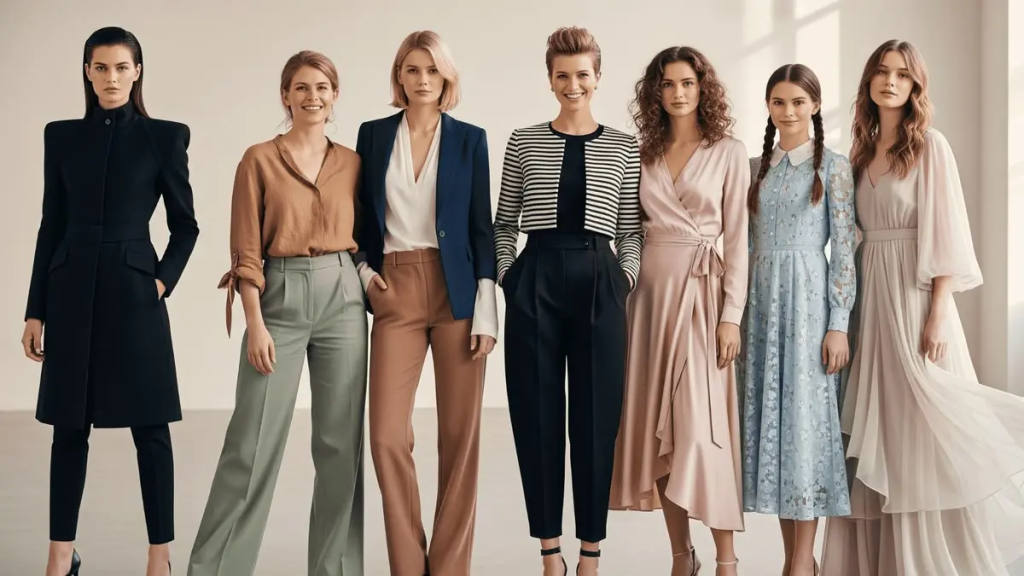
For example, women with an hourglass shape often look great in fitted dresses and waist belts, while pear-shaped women may prefer A-line skirts and balanced tops.
Choosing clothes that suit your body shape creates a more balanced and attractive appearance.
Step 2: Build a Basic Wardrobe
Every stylish wardrobe should include essential pieces that can be mixed and matched easily.
Important wardrobe essentials include:
- White shirt
- Black trousers
- Blue jeans
- Neutral t-shirts
- Blazer
- Comfortable sneakers
- Elegant handbag
- Little black dress
- Denim jacket
- Simple accessories
These items help create multiple outfit combinations for different occasions.
Step 3: Choose the Right Colors
Color selection plays a major role in fashion styling. Neutral colors like black, white, beige, gray, and navy are timeless and easy to combine.
Bright colors can add energy and personality to outfits. However, balance is important. For example, pairing a bright red top with black trousers creates a stylish and clean look.
Women should also consider skin tone when selecting colors.
- Warm skin tones often suit earthy shades.
- Cool skin tones usually match jewel tones.
- Neutral skin tones work with many colors.
Step 4: Focus on Proper Fit
Even expensive clothing can look unattractive if the fit is wrong. Clothes should feel comfortable without being too tight or too loose.
Important fitting tips include:
- Blazers should fit properly on the shoulders.
- Jeans should be comfortable around the waist.
- Dresses should allow easy movement.
- Sleeves should match arm length.
Tailoring simple clothes can instantly improve appearance.
Step 5: Learn Layering Techniques
Layering adds depth and style to outfits. It also makes fashion more practical for changing weather.
Examples of layering:
- T-shirt with denim jacket
- Dress with cardigan
- Blazer over blouse
- Sweater with scarf
Layering should look balanced instead of bulky.
Step 6: Use Accessories Wisely
Accessories complete an outfit and make it more stylish.
Popular fashion accessories include:
- Watches
- Necklaces
- Earrings
- Sunglasses
- Belts
- Scarves
- Handbags
The key is balance. Too many accessories can make an outfit look crowded.
Step 7: Select Comfortable Footwear
Shoes affect both comfort and style. Women should choose footwear suitable for the occasion.
Examples include:
- Sneakers for casual wear
- Heels for formal events
- Flats for daily comfort
- Boots for winter fashion
- Sandals for summer outfits
Comfortable shoes improve confidence and posture.
Step 8: Follow Trends Carefully
Fashion trends change quickly, but not every trend suits everyone. Women should follow trends that match their personality and comfort level.
Timeless fashion pieces are often better investments than temporary trends.
Step 9: Maintain Grooming and Hygiene
Fashion is not only about clothes. Clean hair, healthy skin, and proper hygiene also improve overall appearance.
Simple grooming habits include:
- Maintaining clean nails
- Wearing fresh clothes
- Styling hair neatly
- Using light makeup when preferred
Step 10: Create Signature Style
A signature style helps women stand out. Some women love neutral tones, while others prefer colorful outfits or elegant dresses.
Developing a personal style takes time, experimentation, and confidence.
Benefits of Women Fashion Style
Women fashion style offers many personal and social benefits.
- Improves confidence and self-esteem
- Helps create positive first impressions
- Encourages self-expression
- Supports professional appearance
- Makes shopping more organized
- Increases outfit creativity
- Helps women feel comfortable in social settings
- Allows experimentation with colors and designs
- Improves overall presentation
- Creates a polished and attractive look
Fashion also helps women adapt outfits for different occasions, including office meetings, family gatherings, travel, and celebrations.
Disadvantages / Risks
Although fashion has many benefits, there are also some disadvantages and risks.
- Following trends constantly can become expensive.
- Fast fashion may lead to unnecessary spending.
- Poor fashion choices can reduce comfort.
- Tight clothing may affect movement.
- Social pressure can create insecurity.
- Excessive focus on appearance may affect confidence.
- Cheap-quality clothing may wear out quickly.
- Some trends are impractical for daily life.
Women should focus on balanced fashion choices instead of blindly following trends.
Common Mistakes to Avoid
Ignoring Proper Fit
Many women choose clothes based only on style without checking fit. Ill-fitting outfits can reduce confidence and comfort.
Buying Too Many Trendy Items
Trendy clothing may become outdated quickly. It is better to invest in timeless wardrobe essentials.
Wearing Uncomfortable Shoes
Stylish footwear should also provide comfort. Painful shoes can affect posture and confidence.
Overusing Accessories
Too many accessories can make an outfit appear messy. Simple styling often looks more elegant.
Ignoring Occasion Requirements
Different occasions require different dress styles. Casual clothing may not suit professional or formal events.
Choosing the Wrong Colors
Some colors may not suit certain skin tones or settings. Understanding color balance improves overall appearance.
Neglecting Fabric Quality
Good fabric improves comfort and durability. Cheap materials may fade or lose shape quickly.
Copying Every Trend
Fashion trends should inspire style, not control it. Personal comfort and confidence should always come first.
FAQs
1. How can beginners improve women fashion style?
Beginners should start with basic wardrobe essentials, neutral colors, and properly fitted clothes. Learning simple outfit combinations and understanding body shape can improve fashion sense quickly.
2. What are the most important wardrobe essentials for women?
Important essentials include jeans, neutral t-shirts, a blazer, black trousers, comfortable shoes, a handbag, and a classic dress. These items create versatile outfit combinations.
3. How do I find my personal fashion style?
Finding personal style requires experimentation. Women can explore different outfit ideas, colors, and accessories until they discover what feels comfortable and confident.
4. Is expensive clothing necessary for stylish fashion?
No. Stylish fashion depends more on fit, color coordination, and confidence than price. Many affordable outfits can look elegant when styled properly.
5. How can I dress stylishly on a budget?
Women can build stylish wardrobes by purchasing timeless basics, shopping during sales, mixing old and new pieces, and avoiding unnecessary trend purchases.
6. Which colors are best for everyday fashion?
Neutral shades such as black, white, navy, gray, and beige work well for everyday outfits because they are versatile and easy to combine.
7. How important are accessories in women fashion style?
Accessories help complete outfits and add personality. Simple accessories such as watches, necklaces, and handbags can improve appearance without overwhelming the outfit.
8. How often should fashion trends be followed?
Women should follow trends selectively. It is better to choose trends that match personal style instead of changing wardrobes constantly.
Expert Tips & Bonus Points
Invest in Quality Basics
High-quality basics last longer and look better over time. Simple items such as white shirts, denim jeans, and black blazers are always useful.
Organize Your Wardrobe
A clean and organized wardrobe makes outfit selection easier and saves time.
Plan Outfits in Advance
Preparing outfits before important events reduces stress and improves confidence.
Use Fashion Inspiration Carefully
Fashion blogs, magazines, and social media can provide inspiration. However, women should adapt ideas according to personal style.
Balance Comfort and Style
Fashion should never sacrifice comfort completely. Comfortable outfits improve confidence and daily productivity.
Experiment with Layers
Layering different clothing pieces creates unique and stylish combinations.
Keep Accessories Minimal
Simple accessories often create a more elegant appearance than excessive styling.
Focus on Confidence
Confidence is one of the most important parts of fashion. Even simple outfits look attractive when worn confidently.
Maintain Clothing Properly
Washing, ironing, and storing clothes correctly helps maintain fabric quality and appearance.
Develop Signature Outfits
Some women become known for specific styles such as elegant dresses, neutral outfits, or minimalist fashion. Signature looks create strong personal identity.
Conclusion
Women fashion style is a powerful way to express personality, creativity, and confidence. Fashion is not limited to expensive clothing or constantly changing trends. Instead, true style comes from understanding personal preferences, choosing suitable outfits, and wearing clothes with confidence.
Every woman can develop a fashionable appearance by learning basic styling principles such as proper fitting, color coordination, layering, and accessorizing. Building a wardrobe with timeless essentials also makes fashion easier and more affordable. In addition, understanding body shape and comfort needs helps women select outfits that look attractive and feel comfortable throughout the day.
Fashion also plays an important role in professional life, social situations, and personal confidence. A well-dressed appearance often creates positive impressions and improves self-esteem. However, women should avoid blindly following trends or sacrificing comfort for style.